PLANNING
How to size solar from a two-month electricity bill in Cyprus
Start with six bills, separate kWh from euros and understand what a preliminary solar estimate can — and cannot — tell you.
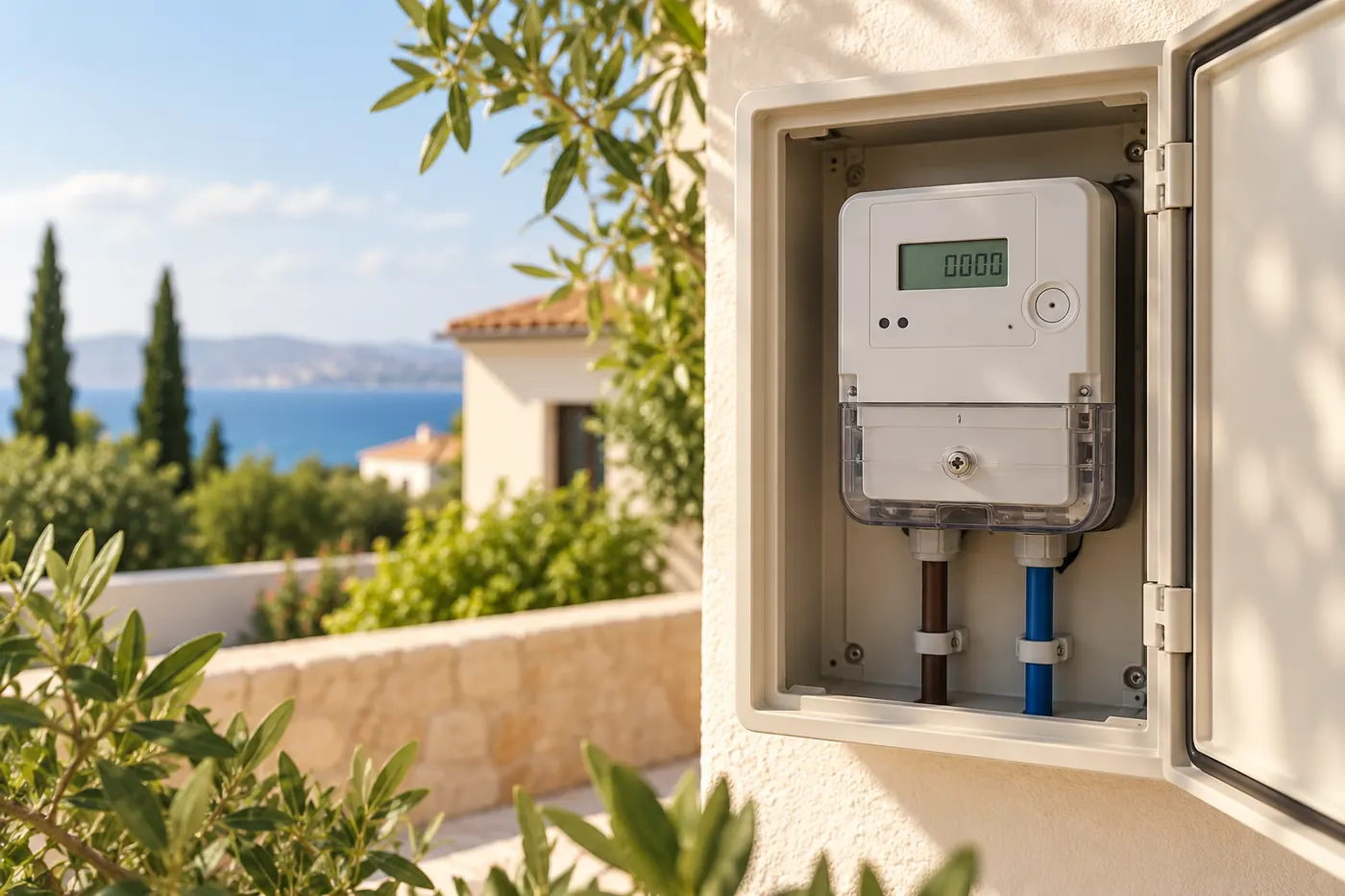
The short answer
Use the electricity consumption in kWh from your last six two-month bills. The annual total is a better starting point than one summer bill. Match solar generation to when your property actually uses electricity.
Start with the full billing period
If your electricity bill covers two months, enter the whole amount in our calculator. There are six such periods in a year. An average bill of €360 per two-month period means €2,160 per year. It does not mean €4,320.
Actual billed kWh are more useful than the euro total for system design. Prices, fixed charges and adjustments can change while your appliances consume a similar amount of electricity. Collect all six bills and check the dates rather than assuming every period contains the same number of days.
Separate consumption from the price you pay
Write down the kWh for each period, the tariff code and any fixed charges. A simple euro-based estimate divides the variable part of your annual spend by an assumed import price. For example, €2,160 divided by an illustrative €0.30/kWh gives 7,200 kWh per year if no fixed charges are deducted. That assumption is deliberately visible in our calculator; it is not an official EAC rate.
Why annual generation is only part of the answer
A system that generates as much electricity as your annual use does not automatically eliminate the bill. Generation and consumption happen at different times. Air conditioning, a pool pump, working hours and evening cooking all affect how much solar electricity you use directly. A battery can shift some energy, but its additional cost also needs to be assessed.
The website's monthly chart is an illustrative seasonal profile. It helps explain the relationship between generation and demand. A project proposal needs the actual roof, orientation, shading, equipment, losses and your consumption pattern.
What to prepare for a tailored proposal
- Six two-month bills, with the kWh and tariff visible.
- Photographs of the roof, switchboard and proposed inverter location.
- Information about daytime occupancy, cooling, pool pumps and planned new loads.
- Your priorities: bill reduction, a battery, backup or a future expansion.
Then compare the proposed power in kWp, expected annual generation in kWh, direct use, exports and the assumptions behind any payback estimate. More panels are useful only when the full design and economics support them.
Sources and further reading
Check programme status and property-specific terms in the linked official sources before making a decision.
Keep exploring
Reading your EAC smart meter when you have solar and storage
Understand import, export and solar production: which readings to record and how to compare an EAC smart meter with your inverter and battery app.
Read the guide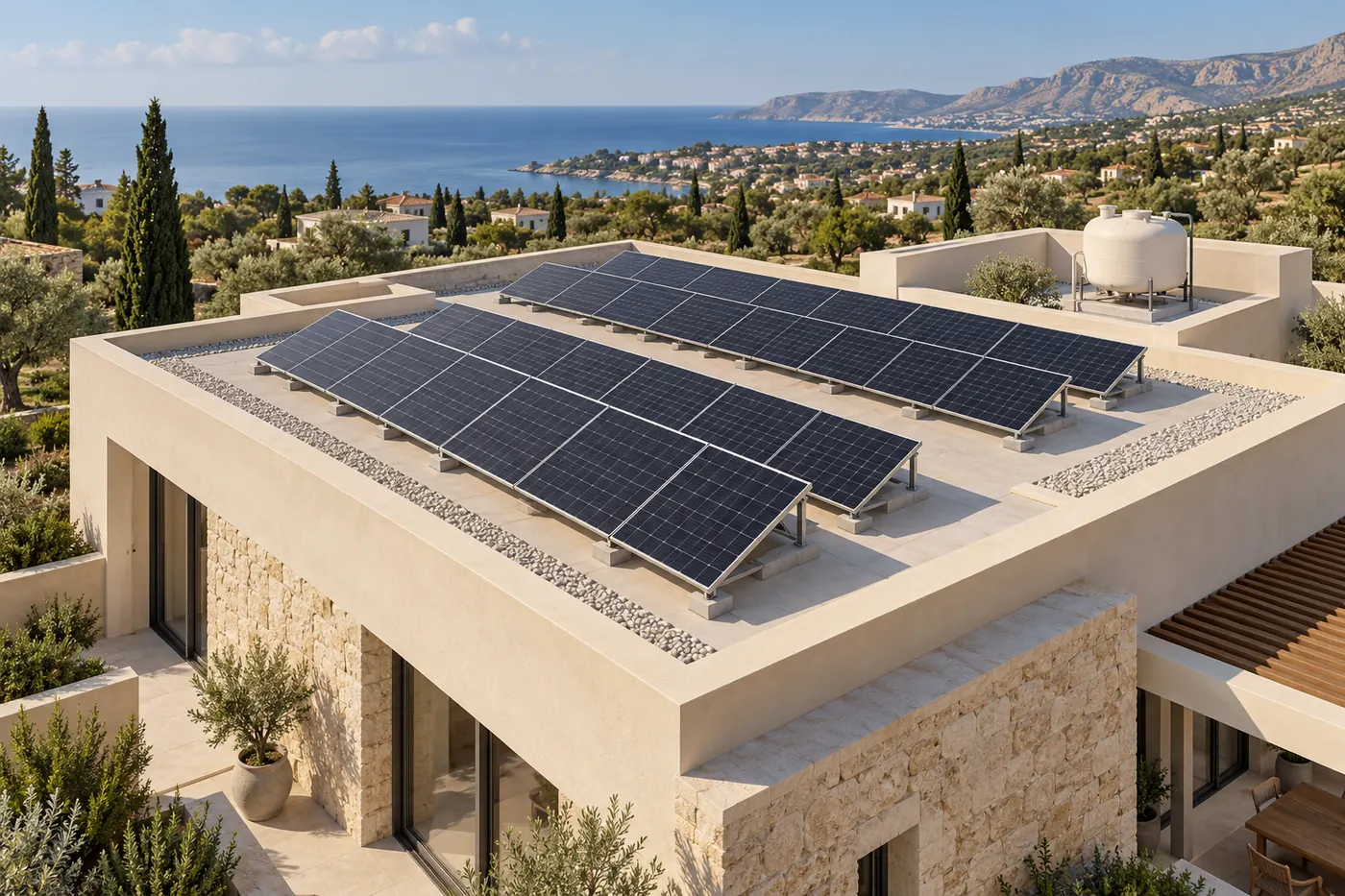
Will the panels fit? Roof space and module size explained
Panel watts, physical dimensions and usable roof area are different. Learn what a useful Cyprus roof layout should show before you compare proposals.
Read the guide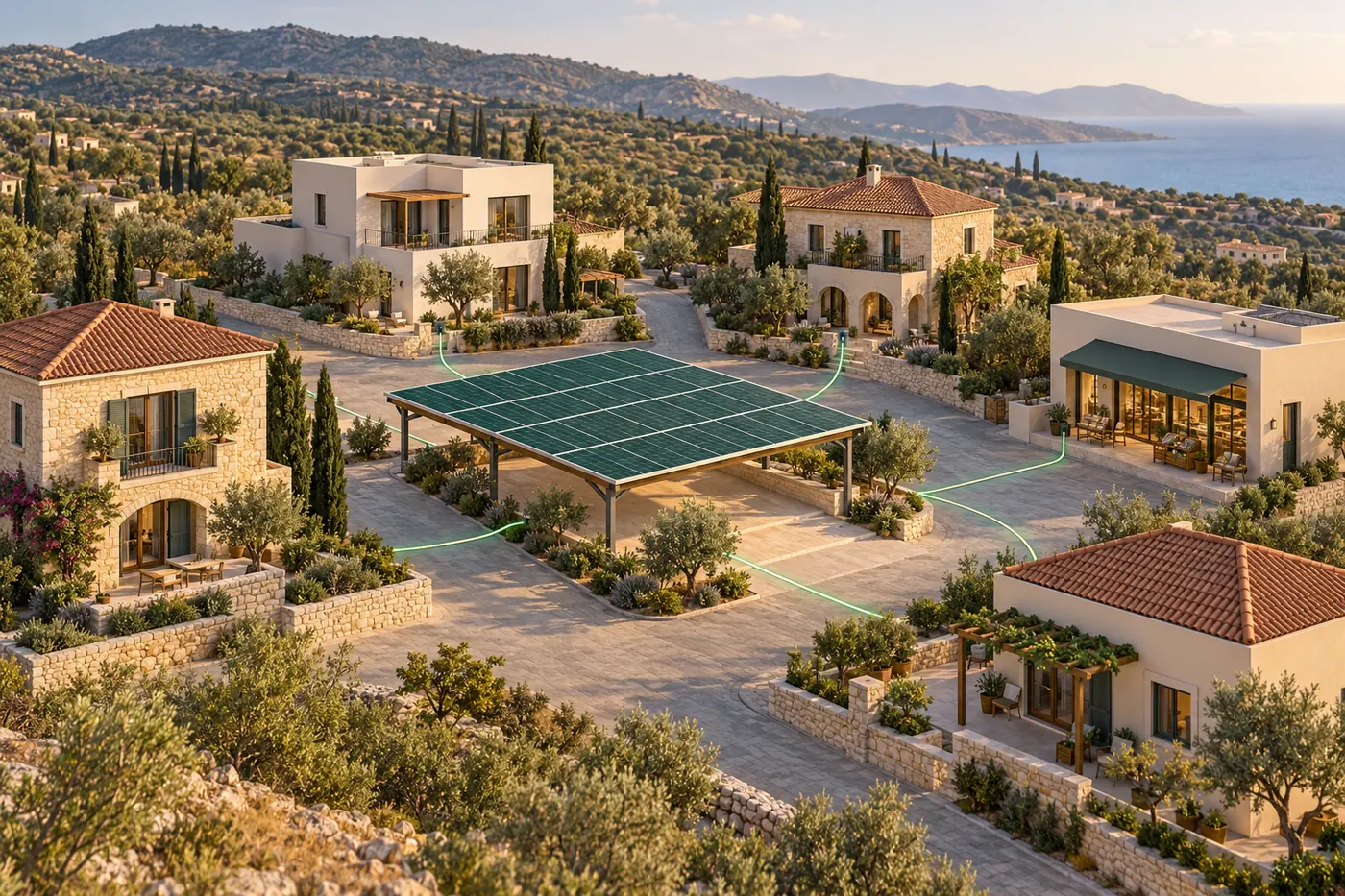
Solar at another property: what to check before virtual bill offsetting
Understand the idea of virtual solar credits and the contract, connection and site checks needed before assuming a remote system can offset your Cyprus bill.
Read the guide