CAMPING & PORTABLE ENERGY
Electricity for camping in Cyprus: choosing a power station and solar panel
Work out your devices’ energy use, compare watts with watt-hours and choose a portable solar kit for camping or road trips in Cyprus.
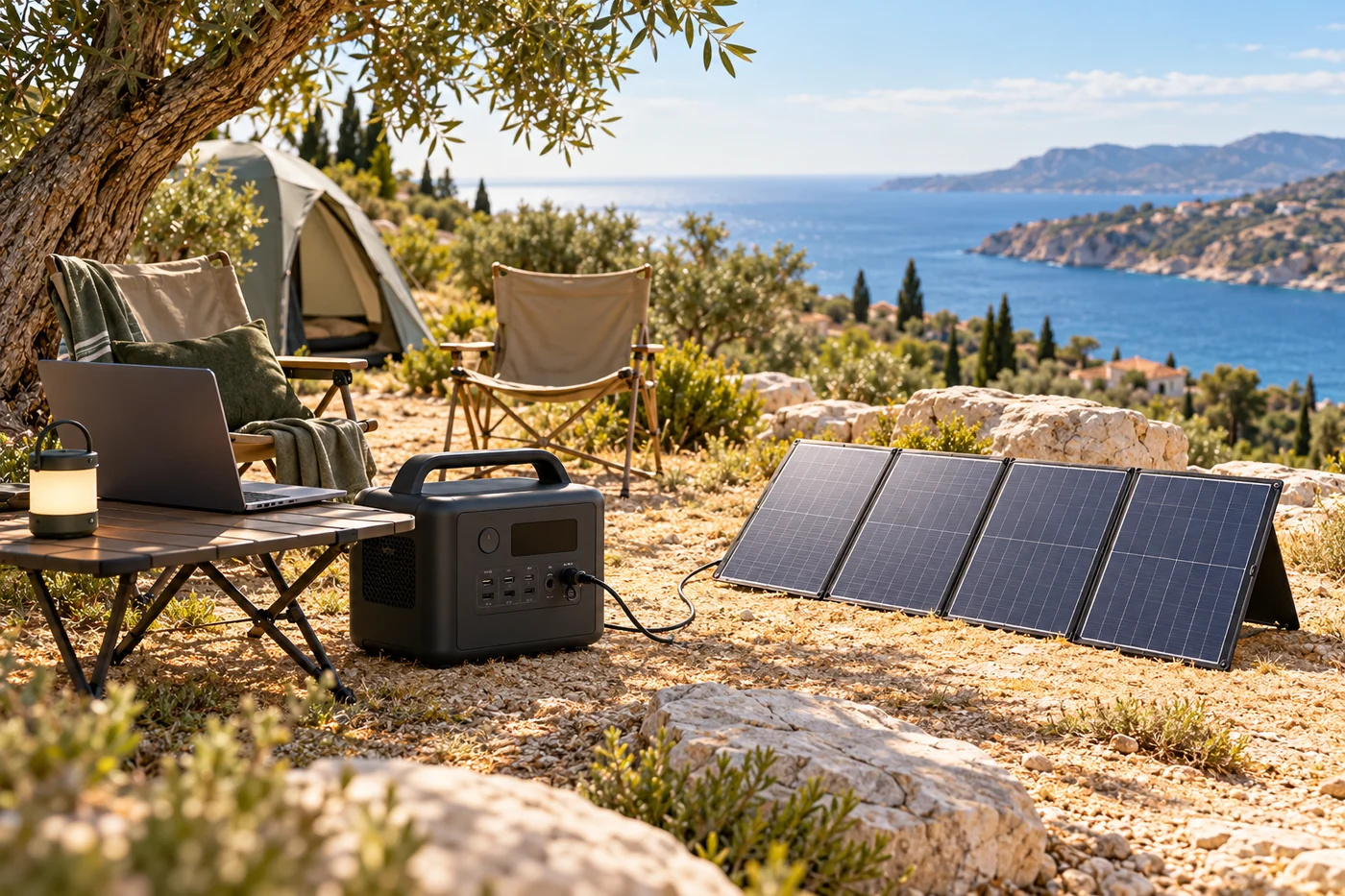
The short answer
Start with your daily energy budget in Wh, then check that the station can supply the appliances’ power and starting loads. Size the solar panel within the station’s input limits. Sunshine can extend your time away from a socket, but a panel’s rated watts do not guarantee a full battery every day.
Start with what you want to take
For one traveller, electricity outdoors may mean a phone, camera and a light. For another, it includes a laptop and a camping fridge. Write down each device, its daily use and how you plan to recharge. This makes the choice more useful than simply buying the station with the highest watt rating.
A portable station stores energy in a battery. Add a compatible solar panel and you have a kit that can replenish some of that energy during the day. Stations may also support mains or vehicle charging; check the methods and accessories for the exact model. Explore our portable power and solar kits.
Watts and watt-hours answer different questions
Watts (W) describe power. Check the combined load of devices running together and any short starting peak. Watt-hours (Wh) describe stored or consumed energy. A high output rating does not automatically mean a long runtime.
A simple first estimate is device watts × operating hours. For equipment that cycles, such as a fridge, use measured daily Wh or a suitable consumption estimate rather than multiplying its peak rating by 24 hours.
A practical daily energy budget
Here is a deliberately simplified example, not a promise for a particular model:
- Laptop averaging 50 W for 6 hours: 300 Wh.
- Lighting totalling 10 W for 4 hours: 40 Wh.
- Phone charging allowance: 20 Wh.
- Total: 360 Wh per day.
Suppose a hypothetical 1,000 Wh station delivers 80% of its nominal capacity to these loads after reserves and losses. That is 800 Wh, or roughly 2.2 days at 360 Wh/day without recharging. The 80% is an illustration, not an OUKITEL specification. Inverter standby use, conversion route, temperature and the actual devices change the result. Add a fridge separately using its daily energy consumption.
Choose the solar panel and the connection together
Check the station’s permitted input voltage, current, maximum solar power and connector. A physically fitting plug alone does not establish compatibility. Ask for the exact panel and cable to be listed in the kit.
For an illustrative energy estimate, 200 W × 4 equivalent full-sun hours × 75% overall allowance gives 600 Wh. Those four hours are equivalent full-power sunshine, not four ordinary daylight hours; this is not a Cyprus weather forecast. Shade, clouds, angle, temperature and charging limits affect what reaches the battery. Devices running at the same time use some of that energy.
Check how the kit fits your trip
- Compare carrying weight, folded panel size and available vehicle space.
- Confirm the 230 V regional version, sockets and USB/DC outputs you actually need.
- Place the panel in sunshine and the station in shade with the ventilation required by its manual.
- Check charging options for a cloudy day or a longer stay.
A compact kit can also be useful at home for individual devices such as a router or laptop. Connecting a station to a building’s electrical circuits is a separate design and installation task.
What to send for a useful recommendation
Send the device names, power or daily energy use, hours of operation, trip length and your preference for carrying weight. UNLIMITED will compare suitable portable stations and solar kits and specify the panel, cables, current availability and price before you order.
Sources and further reading
Check programme status and property-specific terms in the linked official sources before making a decision.
Keep exploring
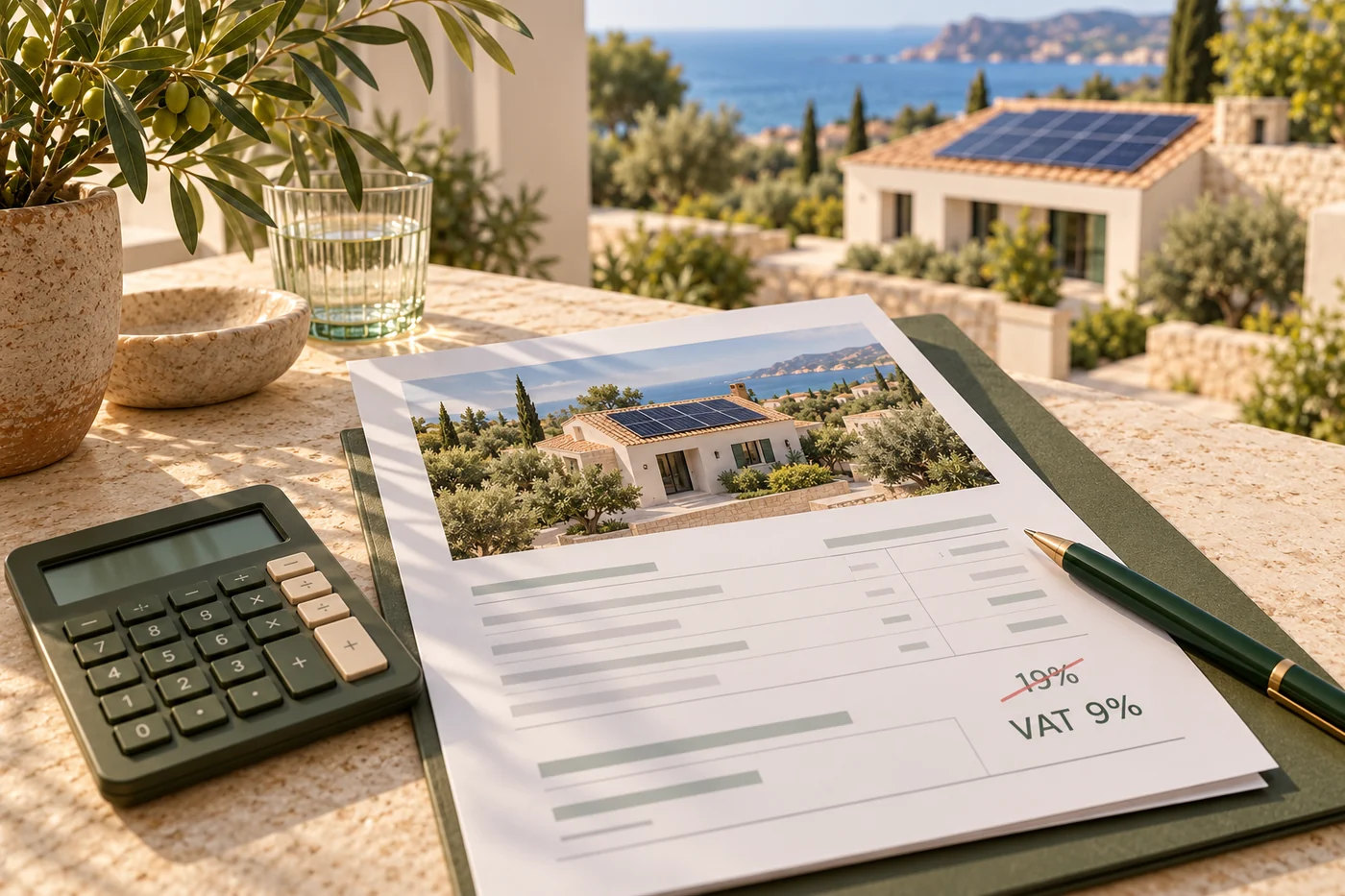
9% VAT on home solar in Cyprus: what becomes cheaper?
The reduction from 19% to 9% explained for homeowners: eligible PV equipment, battery and EV charger exclusions, and a clear price example.
Read the guide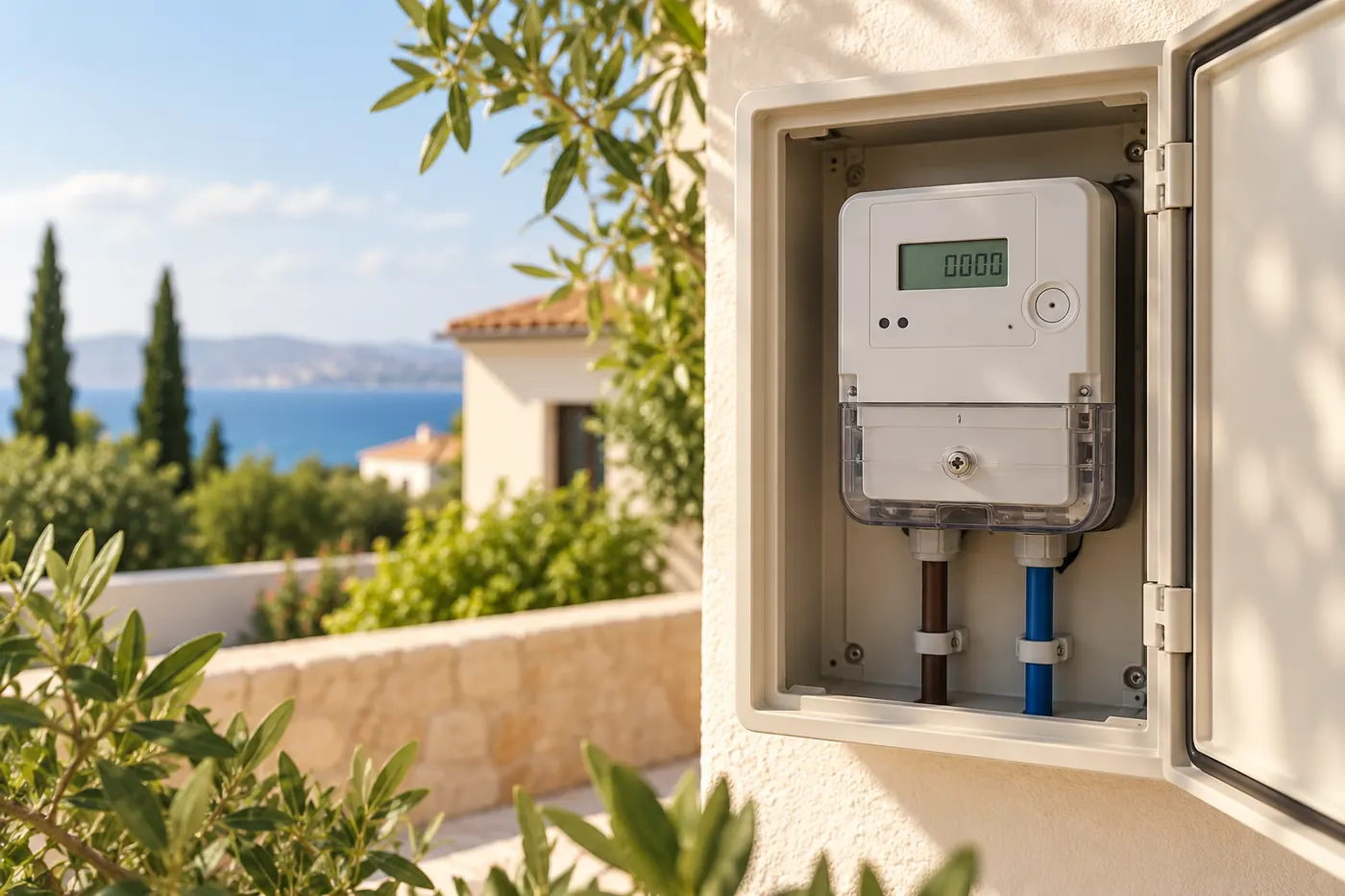
Reading your EAC smart meter when you have solar and storage
Understand import, export and solar production: which readings to record and how to compare an EAC smart meter with your inverter and battery app.
Read the guide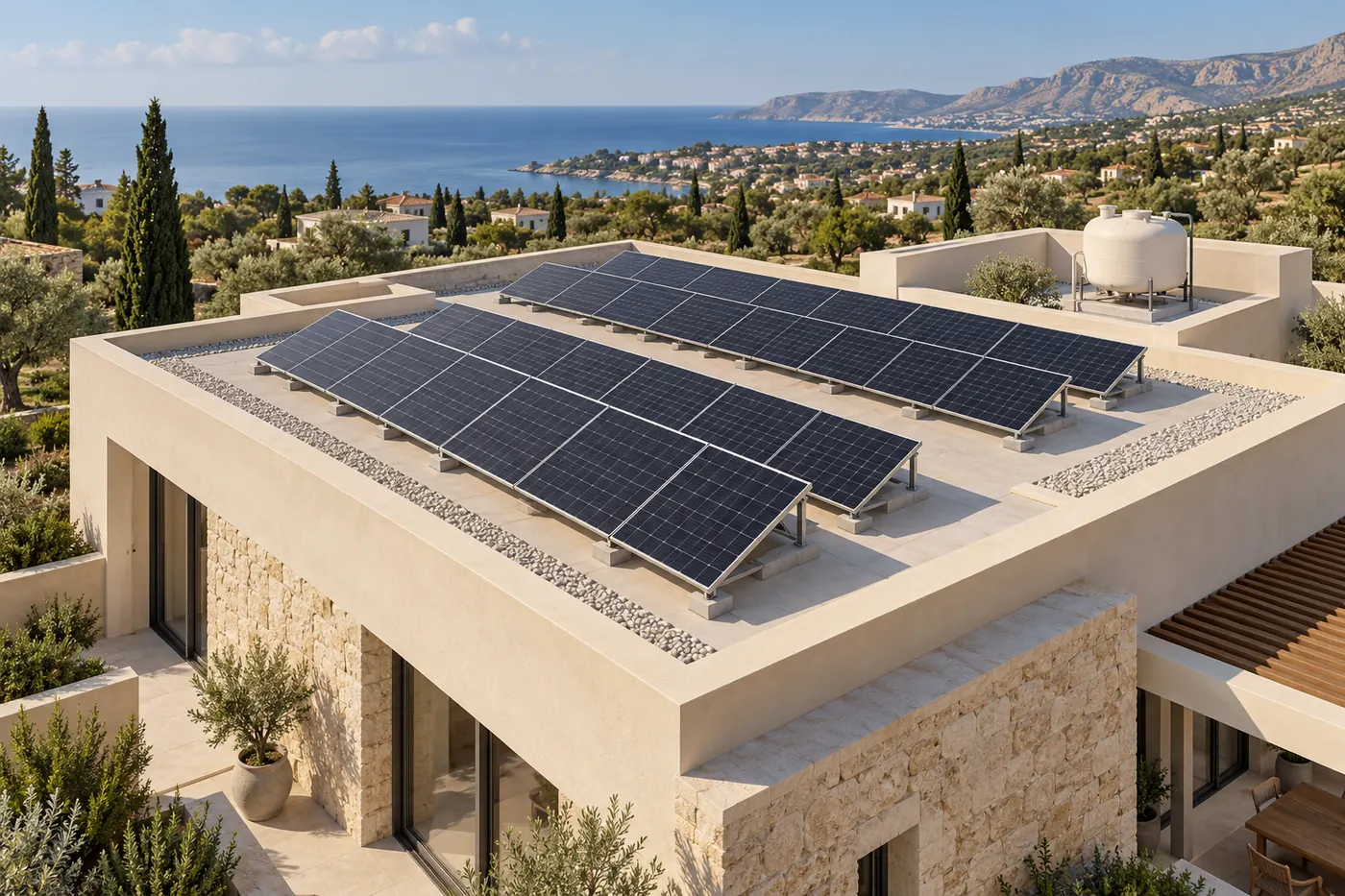
Will the panels fit? Roof space and module size explained
Panel watts, physical dimensions and usable roof area are different. Learn what a useful Cyprus roof layout should show before you compare proposals.
Read the guide